Every serious house prepare dinner finally faces the query: which wok belongs in my kitchen, forged iron or carbon metallic? Both are steeped in culinary tradition, yet their changes run deeper than simply cloth. If you’ve ever stood in front of a scorching range, spatula in hand, brooding about why your fried rice lacks that elusive restaurant taste or why stir-fried vegetables on occasion turn out limp, the reply is probably hiding for your desire of wok.
Let’s smash down what it’s relatively wish to cook with every single material, the strengths and quirks of either, and how years of hands-on knowledge have shaped options in abode and pro kitchens alike.
The Wok: Heart of the Stir-Fry
Long sooner than nonstick pans flooded save cabinets, woks held delight of area in kitchens across Asia. Their deep curves and vast mouths made them absolute best for tossing veggies, searing meat, and even steaming dumplings. But the pan is simplest as outstanding as its subject material. Cast iron and carbon steel the two claim heritage fame, yet they operate particularly another way lower than fire.
Spend a few minutes with both to your possess kitchen and you can immediately see that the variations are extra than educational. Understanding why calls for a closer have a look at their bodily houses and how they play out at the stovetop.
Cast Iron: Heavyweight Champion
Cast iron woks are unmistakable. They’re heavy, broadly speaking requiring either palms simply to maneuver. If you’ve used forged iron skillets or Dutch ovens, you know the essential really feel - reliable, reassuringly weighty.
This heft isn’t just for tutor. Cast iron excels at heat retention. Once hot, it stays scorching, making it optimum for dishes that desire continuous temperatures over longer durations. Braising pork abdominal or slow-cooking red-cooked beef? Cast iron continues issues lightly simmering with out wild temperature swings.
But right here’s where issues get nuanced: common Chinese forged iron woks are normally thinner than Western-type solid iron pans. They should be would becould very well be as easy as 3 to five kilos (1.4 to 2.3 kg), when compared to Western ones that commonly true 10 pounds (four.5 kg). The big difference in thickness skill Asian solid iron woks warmth up turbo however don’t carry directly to heat slightly as stubbornly.
That spoke of, maximum cast iron woks bought open air Asia have a tendency toward the thicker edge - think about lifting a spherical-bottomed tank onto your burner.
Real-World Cooking with Cast Iron
I take note my first strive at using a thick forged iron wok for pad thai. The noodles clung to the surface unless I realized I hadn’t preheated it approximately long adequate. With cast iron, patience will pay off; deliver it time and the cooking floor transforms into a thing equivalent to nonstick as a result of seasoning.
However, even professional cast iron can conflict with fast top-warmness maneuvers like tossing a couple of small batches of delicacies in instant succession - a cornerstone of reputable stir-fry approach is called “wok hei.” Because cast iron holds heat so nicely, temperature recuperation after including bloodless elements should be gradual should you’re now not careful.
Cleaning is simple for those who keep cleaning soap and water after every use, opting instead for a wipe-down and coffee reseasoning with oil.
Carbon Steel: The Workhorse
Walk into such a lot Chinese restaurants and peek into their kitchens (if you’re lucky satisfactory to get a glimpse). Almost each chef will probably be wielding a carbon metal wok over roaring flames. There’s just right cause for this close to-wide-spread alternative.
Carbon metal is mild - basically 1/2 the load of similar cast iron. This enables chefs to deftly toss additives with one hand although manipulating the spatula with the other. In a busy provider the place seconds matter and dozens of dishes fly from range to desk, this agility is worthy.
Carbon metal heats up incredibly rapid and cools down fast, giving precise manipulate over cooking temperature. For flash-frying or chasing that smoky “breath of the wok” style (wok hei), not anything fits carbon metal’s responsiveness.
Daily Use Insights
After years of day-after-day use, my trendy carbon steel wok resembles an old leather wallet: darkened by way of time, marked by using stories of countless numbers of nutrients. The seasoning developed up slowly - egg fried rice one week, seared tofu every other - until eventually its floor become superbly slick.
That reported, carbon metal demands care in the course of its infancy. It arrives silver-grey and liable to rust if neglected even briefly after washing. Early seasoning periods could be challenging; nutrients sticks except you increase sufficient polymerized oil layers for proper nonstick overall performance.
Once matured nevertheless, renovation is discreet: wash with scorching water (under no circumstances soak), dry automatically over warmness, and observe a whisper of oil until now storing.
Head-to-Head: Cooking Performance
Comparing solid iron woks to carbon metal isn’t approximately that's “improved” in a few abstract experience however which just right fits your process to domicile cooking.
Heat Retention vs Responsiveness
Cast iron wins for secure warmth retention. If you continuously practice braises or stews that require constant simmering, forged iron acts like a buffer opposed to unexpected differences in burner output or drafts.
In assessment, carbon metal shines in the event you wish instantaneous reaction to flame variations or want to cycle simply by several speedy-cooked dishes back-to-returned. The potential to convey a pan from cold to searing warm (and returned) within seconds provides carbon steel unequalled versatility for vintage stir-fry processes.
Achieving Wok Hei
Wok hei - that elusive charred aroma chanced on simply in big restaurant stir-fries - is notoriously not easy to replicate at residence devoid of excessive-output burners. However, carbon metallic makes it more potential for the reason that it will probably tolerate hugely high heat and get well temperature immediately after foodstuff hits the pan.
Cast iron can generate a few wok hei if used over a effectual flame and preheated thoroughly, however its slower response makes it tougher to maintain high temperatures for the period of repeated tosses or whilst adding bloodless additives.
Weight and Handling
Anyone who has tried flipping a pound of vegetables whilst balancing a heavy pan is aware that weight topics extra than you’d consider. Traditional around-bottomed carbon metallic woks not often exceed 3 pounds (1.four kg), at the same time Western solid iron types frequently double or triple that discern.
For occasional homestead cooking on a stationary stove, heft might not trouble you lots. But in case you favor to mimic restaurant-sort tossing or want to transport briskly among batches, carbon metal’s lighter weight turns into a factual potential.
Seasoning and Care
Both supplies profit from seasoning - genuinely building up layers of polymerized oil simply by repeated heating - which creates a traditional nonstick surface and protects against rust.
Cast iron tends to retain seasoning extra stubbornly by means of its porous floor yet can improve “sticky spots” if no longer dried utterly after washing or if seasoning builds unevenly.
Carbon metallic requires extra diligence at the beginning but rewards you with an ultra-slick patina if cared for correctly. Rust can manifest overnight if left damp however is comfortably scrubbed away ahead of reseasoning if stuck early.
Practical Considerations for Home Kitchens
Most house chefs don’t have industrial fuel burners pumping out one hundred,000 BTUs or greater - familiar residential stages mostly max out around https://www.cookwarereviewhub.com/cast-iron-wok-vs-carbon-steel/ 12,000 to 18,000 BTUs according to burner. That shortfall can prohibit some of the dramatic searing achieveable in eating places however doesn’t make excellent stir-frying very unlikely.
With that during thoughts, a couple of real looking questions occur when identifying among forged iron and carbon metal:
Stove Compatibility
Flat-bottomed woks paintings most fulfilling on electric powered or induction stoves considering the fact that round-bottomed types can war with direct touch and steadiness. Both resources are %%!%%186b11c2-1/3-41b8-8c4a-6cb1e0dfb499%%!%% in flat- and spherical-backside models yet preserve in thoughts that carbon metal woks in the main include thinner bases which reply briskly even on modest burners.
Induction users should always note that either ingredients are induction-suitable supplied the wok has contact with the cooktop floor.
Oven Use
Cast iron is dependable at any oven temperature you’re probably to bump into at domicile. This makes it easy for dishes that begin on the stovetop and conclude lower than broiler warmth or in gradual-roasting packages.
Many carbon metallic woks can care for oven warm as smartly however double-take a look at handles - wooden or plastic ingredients can prohibit oven safeguard.
Price and Availability
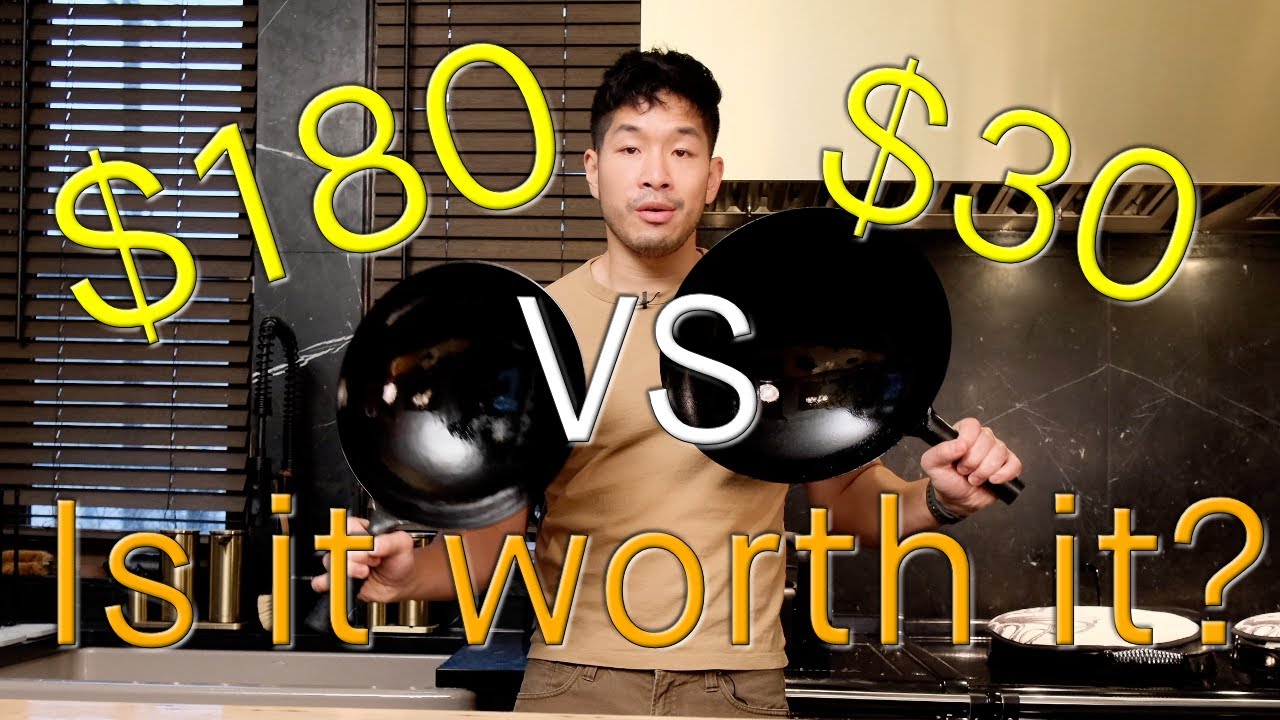
Decent carbon metal woks beginning around $25 to $40 USD for reliable manufacturers equivalent to Joyce Chen or Helen Chen. High-quit items rarely exceed $70 unless imported or artisan-made.
Cast iron woks fluctuate extra appreciably: thinner Asian units commonly value among $30 and $60 although heavy Western-fashion types (like these from Lodge or Staub) can procedure $one hundred or more via brought mass and branding.
Maintenance Realities
Neither subject matter welcomes dishwashers or extended soaking in water. Both benefit from immediately drying and light oiling after cleansing. If rust looks - and in the end it almost certainly will - scrubbing again to naked steel accompanied by way of reseasoning restores characteristic.
One small yet actual difference: carbon metallic is a little greater forgiving when it comes to accidental chipping or cracking. Cast iron can crack if dropped or subjected to dramatic thermal surprise (akin to rinsing a screaming-sizzling pan less than chilly water).
Where Each Shines
The perfect alternative isn’t overall however relies upon for your cooking conduct and priorities.
If you love slow-simmered Asian stews or wish a pan that doubles as a serving vessel instantly from oven to table, cast iron brings rustic allure inclusive of functionality.
For commonplace instant-and-warm stir-fries, fairly over excessive heat or when tossing foodstuff energetically is section of your style, carbon metal solutions the call with speed and agility.
I’ve cooked on equally over years spent experimenting at home and running in industrial kitchens. Carbon steel has steadily became my each day driver by reason of its responsiveness and straightforwardness of handling, yet my oldest solid iron wok nonetheless comes out on every occasion I make mapo tofu or gradual-braised pork abdominal for relations gatherings.
How Seasoning Develops Over Time
Both parts increase their nonstick homes as a result of seasoning - now not by using artificial coatings yet by way of heating oil till it polymerizes onto the pan surface.
Early on, equally can believe sticky or patchy even after a couple of uses (specifically carbon steel). Perseverance issues here; after ten or fifteen makes use of with right cleaning and oiling routines, the patina will become obvious. Fried eggs slide around with ease and aromatics like ginger or garlic sizzle without clinging stubbornly.
A pal as soon as defined his carbon metal wok’s seasoning as “a living component.” He wasn’t improper - it evolves with both meal cooked.
Common Pitfalls and How to Avoid Them
Choosing among forged iron and carbon steel isn’t all approximately technical specs; truly-lifestyles quirks be counted simply as much.
One rookie mistake is underheating both kind earlier than adding oil or components. A suitable preheated wok creates an fast sear rather than soaking up moisture from meals (which leads to sticking).
Another widely wide-spread errors contains cleansing conduct: soaking overnight or air-drying results in rust in spite of cloth. Always dry very well over warm and observe a thin layer of oil prior to placing away.
Finally, don’t count on wireless perfection from new pans. Both kinds desire some breaking-in ahead of they achieve their prospective.
Quick Comparison Table
| Feature | Cast Iron Wok | Carbon Steel Wok | |---------------------------|----------------------------------------|-----------------------------------| | Weight | Heavy (repeatedly five-10 lbs) | Light (2-four lbs ordinary) | | Heat Retention | Excellent | Moderate | | Heat Responsiveness | Slow | Fast | | Seasoning Required | Yes | Yes | | Nonstick Potential | High after seasoning | Very excessive after seasoning | | Rust Risk | Moderate | High if unnoticed | | Common Uses | Braises, stews, slow stir-fries | Quick stir-fries, flash searing | | Price Range | $30-$100+ | $25-$70 |
When Each Material Makes Sense
Here is a sensible guidelines which could lend a hand make clear which wok suits your demands:
You price lightweight agility for tossing food or have wrist/arm energy problems - pick out carbon metal. You plan on gradual-cooking stews or prefer leading oven-to-table versatility - lean in the direction of forged iron. Your stovetop has modest output (electrical or induction) - flat-bottomed carbon steel promises quick heating. You desire an heirloom piece that improves over a long time - either qualify but solid iron holds up smartly opposed to unintentional dings. You appreciate ritual care and seasoning protection - either will gift your awareness however carbon metallic wants extra TLC early on.Final Thoughts: Which Should You Buy?
There’s not anyone-length-suits-all answer to the solid iron wok vs carbon metal debate due to the fact that every one brings interesting advantages to your kitchen arsenal.
If you cook certainly speedy stir-fries a number of times every week and desire one thing light adequate to toss unmarried-handedly even if loaded with nutrition, carbon steel wins out just about at any time when.
If you envision hearty braises or desire a pan that holds warmness by way of thick and skinny (and doubles as verbal exchange-commencing serveware), solid iron promises unmatched presence along overall performance.
For many cooks, proudly owning both finally ends up being the healthy end result - one for weekday velocity and a further for weekend feasts that start off at the stovetop and linger on the desk.
The bottom line? Let your cooking habits lead the method instead of chasing what’s “surest” with the aid of fame alone. Whether you achieve for carbon metal or solid iron next time you stir up the burner, you’ll be becoming a member of generations of cooks who came across pleasure in functional resources perfected by use and care.